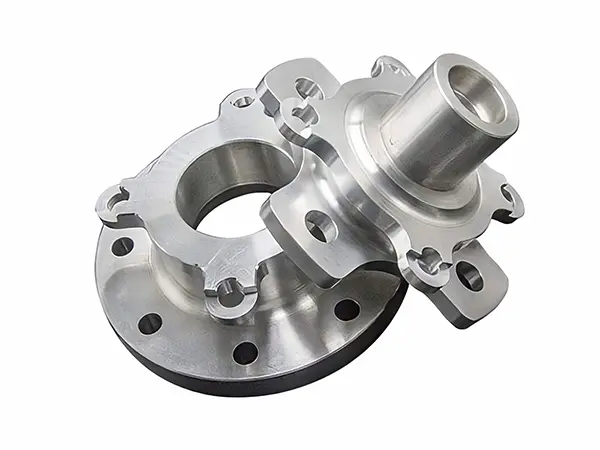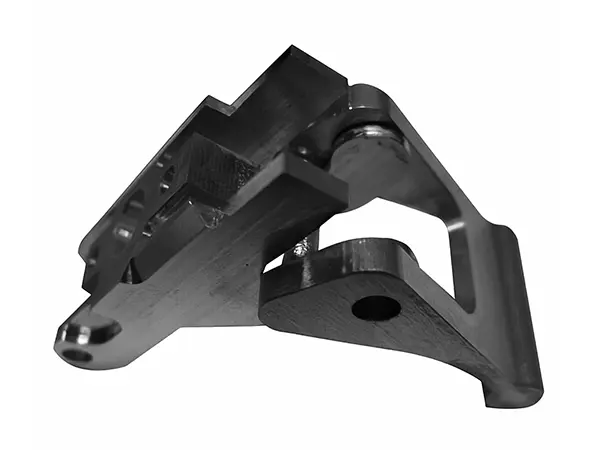
CNC Machining Service
Customized manufacturing solutions for CNC machined parts.
Catering to one-off prototypes as well as full-scale mass production.
Get in touch with us today to request a quote for our CNC machining services.
What Is CNC Machining ?
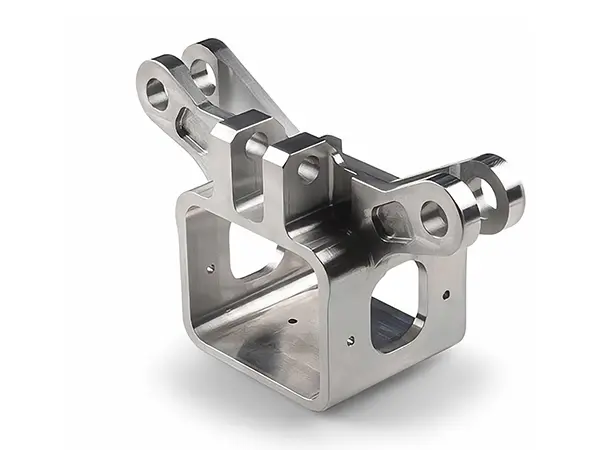
CNC Machining is a computer-controlled process that involves the removal of material from a workpiece.
This method is highly efficient, accurate, and fast compared to traditional machining techniques.
What Is CNC Machining Used For?
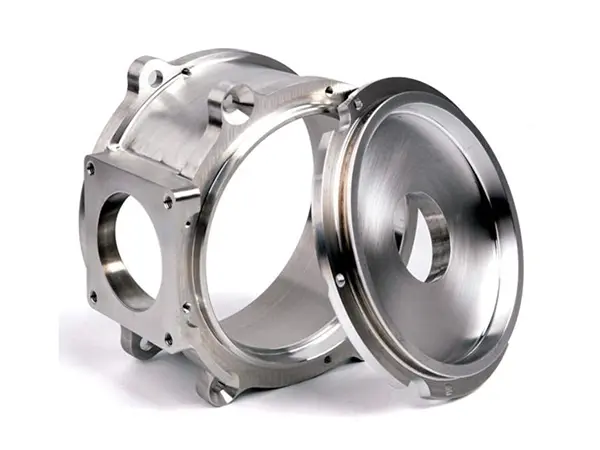
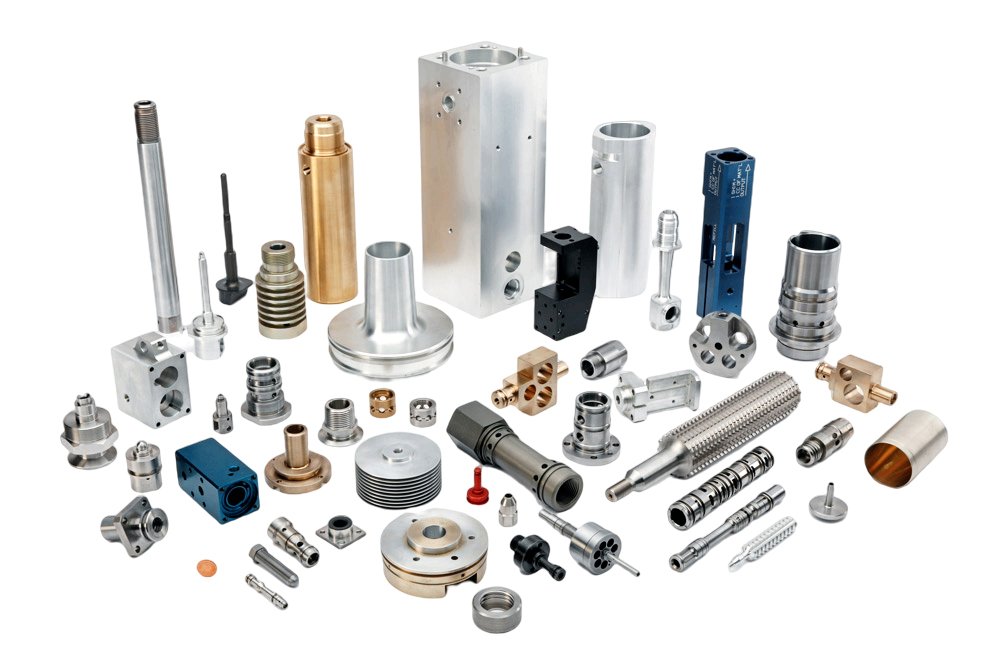
At Kebao, we offer precision CNC machining services for the production of complex finished parts, components, and tools for plastic injection molding or pressure die casting. Additionally, CNC manufacturing is utilized for secondary drilling, tapping, and milling operations on machined parts or parts made from other processes. Our team uses a variety of specialized CNC machine tools to perform various operations on raw stock, but CNC mills are the most commonly used and versatile multi-axis machines in our daily operations.
Our CNC Service
Kebao provides custom CNC milling and lathe services.
Learn more about what services we offer.
CNC Turnign Services
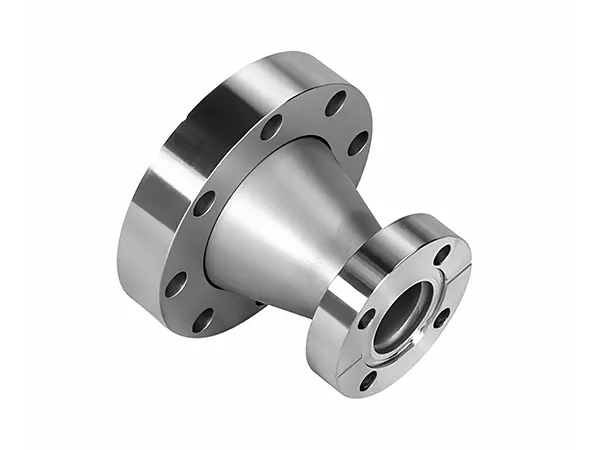
The general process of turning involves rotating a part while a single-point cutting tool is moved parallel to the axis of rotation. Turning can be done on the external surface of the part as well as the internal surface (the process known as boring). The starting material is generally a workpiece generated by other processes such as casting, forging, extrusion, or drawing.
CNC Turnign Services
The general process of turning involves rotating a part while a single-point cutting tool is moved parallel to the axis of rotation. Turning can be done on the external surface of the part as well as the internal surface (the process known as boring). The starting material is generally a workpiece generated by other processes such as casting, forging, extrusion, or drawing.
Guidelines and functions for CNC milling
Our fundamental principles encompass vital design factors aimed at enhancing manufacturability, improving appearance, and decreasing overall production time.
Capability
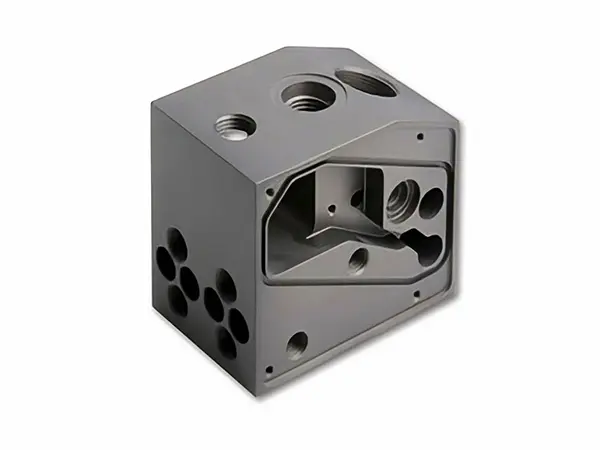
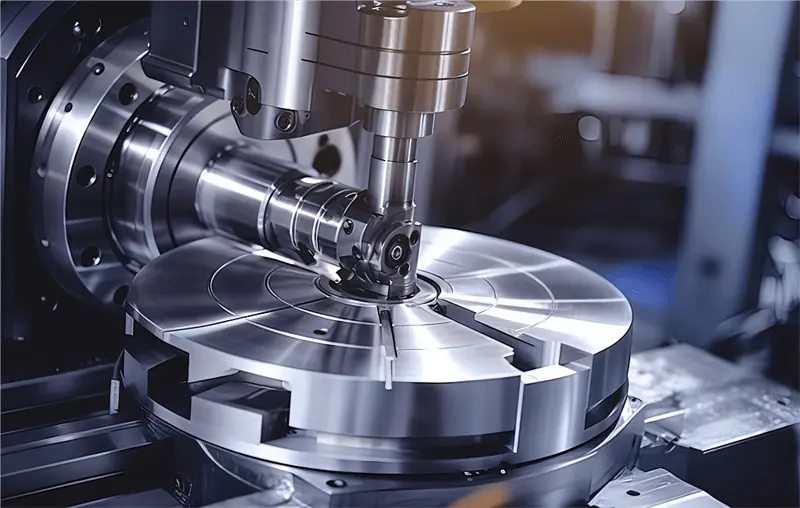
CNC milling is a subtractive manufacturing process where parts are rapidly milled from raw material blocks using G-code programmed CNC milling machines. 3-axis and 5-axis CNC machines come equipped with various toolsets to enhance efficiency and production speed. Plastic parts maintain their milled state after machining, while metal parts can undergo surface treatments such as anodizing and chrome plating. After the machining is complete, the parts undergo surface finishing treatment before being packed and shipped.
Maximum Dimensions
CNC milling is a subtractive manufacturing process where parts are rapidly milled from raw material blocks using G-code programmed CNC milling machines. 3-axis and 5-axis CNC machines come equipped with various toolsets to enhance efficiency and production speed. Plastic parts maintain their milled state after machining, while metal parts can undergo surface treatments such as anodizing and chrome plating. After the machining is complete, the parts undergo surface finishing treatment before being packed and shipped.
Minimum Dimensions
CNC milling is a subtractive manufacturing process where parts are rapidly milled from raw material blocks using G-code programmed CNC milling machines. 3-axis and 5-axis CNC machines come equipped with various toolsets to enhance efficiency and production speed. Plastic parts maintain their milled state after machining, while metal parts can undergo surface treatments such as anodizing and chrome plating. After the machining is complete, the parts undergo surface finishing treatment before being packed and shipped.
Tolerances
Kachi can maintain a machining tolerance of +/- 0.005 in. (0.13mm). Part features should be thicker than 0.020 in. (0.51mm) and a nominal part thickness above 0.040 in.
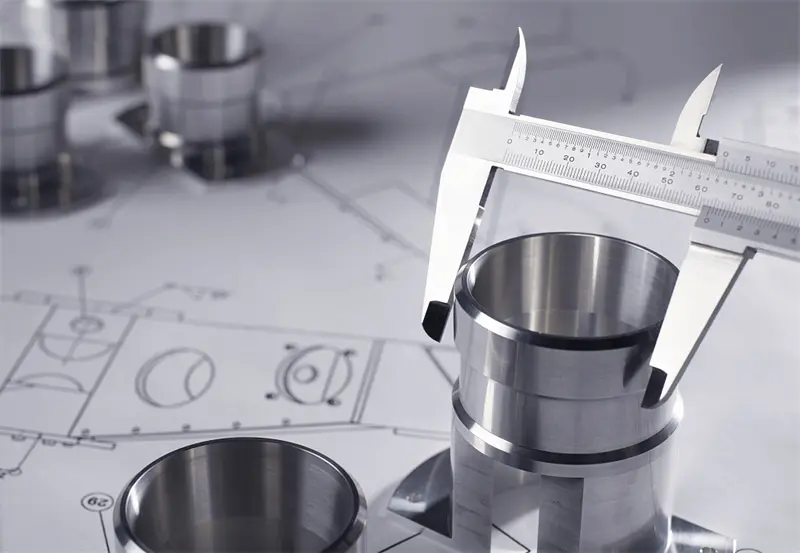
Guidelines and functions for CNC milling
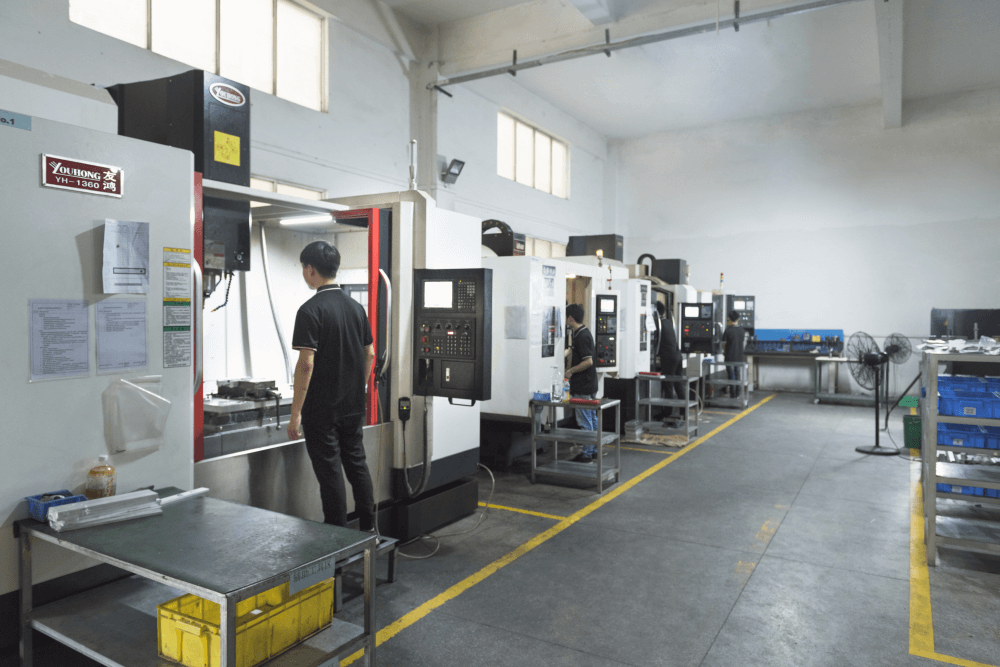
Our CNC turning process is highly efficient and allows us to produce custom prototypes and final parts in as little as one day. We use state-of-the-art CNC lathes equipped with power tools to machine a wide range of features such as axial and radial holes, flats, grooves, and slots.
CNC tuning is typically used in a variety of scenarios, including:
– Manufacturing parts for functional prototypes and final products
– Creating parts with cylindrical features
– Producing parts with axial and radial holes, flats, grooves, and slots
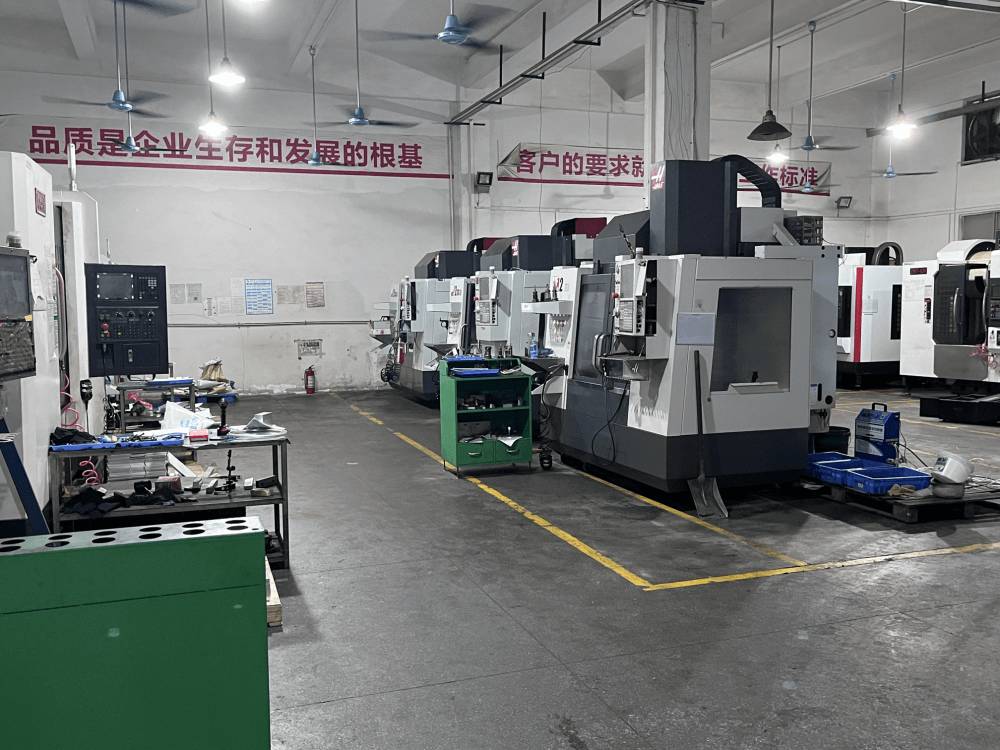
Our team of experienced engineers and machinists work closely with clients to ensure that their parts are machined to their exact specifications. We use the latest software and tools to program our machines, ensuring that every part is manufactured with precision and accuracy.
Once the machining process is complete, our parts undergo rigorous quality checks to ensure that they meet our high standards of quality and consistency. We also offer a range of finishing options, including anodizing and chrome plating, to give our parts a professional and polished look.
At our facility, we are committed to providing our clients with the highest quality parts and services. Whether you need a single prototype or a large production run, we have the expertise and capabilities to meet your needs.
Design Guidelines for CNC Turning
Our guidelines improve part manufacturability and decrease production time.
| Maximum Dimensions | Diameter | 100.33mm |
| Length | 228.6mm | |
| Minimum Dimensions | Diameter | 4.07mm |
| Length | 1.27mm | |
| Wall Thickness | 0.51mm | |
| Angle | 30° | |
| Tolerances | +/- 0.13mm |
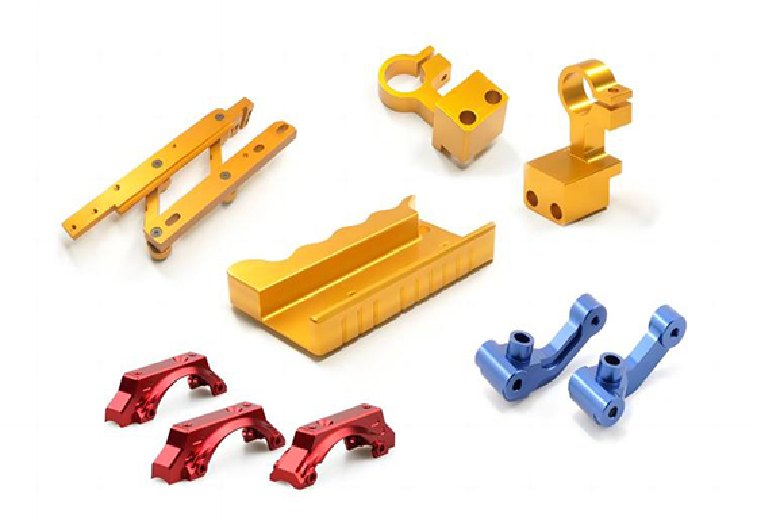
Surface finishing involves the process of altering a metal’s surface through reshaping, removing or adding, and is used to measure the overall texture of a surface characterized by:
Lay – The direction of the predominant surface pattern (often determined by the manufacturing process). Waviness – Pertains to fine detail imperfections or coarser irregularities, such as surfaces that are warped or deflected from specifications.
Lay – The direction of the predominant surface pattern (often determined by the manufacturing process). Waviness – Pertains to fine detail imperfections or coarser irregularities, such as surfaces that are warped or deflected from specifications.
Advantages of Metal Surface Finishing Process
The functions of metal surface treatment can be summarized as follows:
-Improve parts appearance
-Add specific beautiful colors
-Change the luster
-Enhance chemical resistance
-Increase wear resistance
-Limit the effects of corrosion
-Reduce friction
-Remove surface defects
-Cleaning the parts
-Serves as a primer coat
-Adjust the sizes
Design Guidelines for CNC Turning
How to choose a CNC machining service provider?
Lorem ipsum dolor sit amet, consectetur adipiscing elit. Ut elit tellus, luctus nec ullamcorper mattis, pulvinar dapibus leo.
What materials can be used for CNC machining?
CNC machines can work with a wide range of materials, including metals (such as aluminum, brass, and steel), plastics (such as ABS, nylon, and polycarbonate), and wood.
How long does it take to get parts made with CNC machining?
The time it takes to produce parts with CNC machining depends on several factors, including the complexity of the part, the type of material used, and the size of the order. In general, however, CNC machining is a relatively fast process.
What is the cost of CNC machining? The cost of
The cost of CNC machining varies depending on several factors, including the complexity of the part, the type of material used, and the size of the order. In general, however, CNC machining is a cost-effective way to produce high-quality parts and products.
What tolerances can be achieved with CNC machining?
Our CNC machining is capable of achieving standard tolerances of 0.05 microns for most commercial and industrial applications. If you require tighter tolerances for special projects, please feel free to contact us for professional consulting services.
Reasons For Choosing Our Services
Confirmation
We continuously monitor and improve our processes to maintain our high standards and deliver consistent quality to our customers.
Consistent High Quality
We implement a quality management system to ensure you receive precision machined parts without defects.
Fast Lead Time
We own domestic workshops and state-of-the-art machinery to accelerate the production of your prototypes or parts.
24/7 Engineering Support
Our experienced engineers can provide solutions for part design, material selection, surface finishing options and lead times, available all year round.
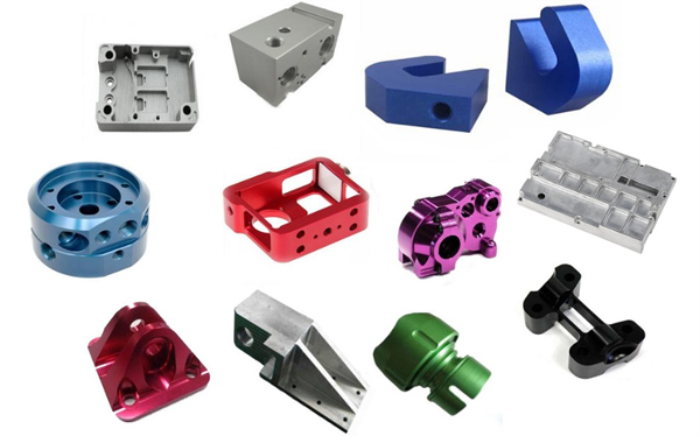
Precision CNC Machined Parts Showcase
Explore our extensive gallery of high quality prototypes and parts showcasing custom products made by my esteemed customers